Things to Do in Dodoma in April
April weather, activities, events & insider tips
Low Season · Budget Friendly
April Weather in Dodoma
Long-run averages for April
83°F (28°C)
High Temp
65°F (18°C)
Low Temp
1.7 inches (43 mm)
Rainfall
75%
Humidity
14
Sunny-Day UV
⚠ Malaria risk stays elevated in April due to residual standing water from the rains. Mosquito activity peaks at dusk and dawn. The Bahi wetlands and low-lying areas with pooled water are worst. Prophylaxis is strongly recommended. Use DEET-based repellent after 4 PM. Essential.
⚠ Road conditions on unpaved routes deteriorate significantly after rain. The road to Kondoa and access tracks around the Bahi wetlands can become impassable for standard vehicles after a heavy shower. Check conditions locally before setting out. Never attempt unpaved roads after dark. Dangerous.
Is April Right for You?
Weigh the advantages and considerations before booking
Advantages
- + April hits Dodoma at the right moment. The long rains are fading. But the land stays green. Baobabs line the Dar es Salaam highway in full leaf. You get soft, washed light without the deluges that turn laterite roads into ankle-deep clay. Temperatures hover in the high 20s Celsius (low 80s Fahrenheit). The city's elevation, roughly 1,120 m (3,675 ft), keeps mornings crisp. Evenings stay comfortable for outdoor meals.
- + Union Day on April 26 transforms Dodoma. The city becomes the political center it was built to be. Military parades fill the Bunge grounds. School bands play. Speeches echo. Restaurants around Nyerere Square serve pilau and nyama choma to families from surrounding villages. This is one of few moments Dodoma feels like a capital. The mood is jubilant. You will not find this in Dar es Salaam.
- + Rooms are easy to find. Dodoma rarely appears on safari routes. April falls in the long-rains low season, even though rain here is mostly done. Guesthouses and mid-range lodges sit half-empty. Rates drop noticeably below what Arusha or Moshi charge during this same period.
- + The countryside looks its best. Central Tanzania's semi-arid scrub turns lush after the rains. Drives to the Kondoa rock art shelters or Bahi wetlands pass rolling farmland. Sunflowers and millet fields dot the landscape. They photograph like paintings.
Considerations
- − Dodoma is Tanzania's legislative capital, not its tourist hub. The city owns this identity. There is no Zanzibar-style old town. No Serengeti gate sits within day-trip range. Visitor infrastructure works. But it does not pamper. Expect Arusha's tourism machinery and you will feel stranded. Curiosity pays here. Patience pays. Packaged convenience does not.
- − April's lingering rains, light at around 43 mm (1.7 inches), still wreak havoc on unpaved roads. Sticky red mud swallows low-clearance vehicles. The Kondoa Irangi road suffers. Four-wheel-drive is mandatory off the main tarmac. Even paved roads hide water-filled potholes.
- − Humidity holds at 75%. Combined with heat, this creates a crushing midday stillness from roughly 11 AM to 3 PM. The city slows to a crawl. If equatorial heat at altitude is foreign to you, you will retreat indoors. You will lose prime touring hours.
Best Activities in April
Top things to do during your visit
Kondoa Irangi Rock Art Expedition
The UNESCO-listed rock art at Kondoa sits roughly 160 km (100 miles) north of Dodoma. These rank among East Africa's most significant prehistoric collections. April may be the ideal month to see them. The shelters cut into sandstone escarpments along the Maasai Steppe's eastern edge. Post-rain bush greens the drive itself into something worth doing. The paintings, some over 2,000 years old, show hunting scenes, elongated human figures, and animals now vanished from this region. Ochre and charcoal pigments glow in April's soft overcast mornings. You need a guide from the Kolo village antiquities office. Walking between shelters means scrambling loose rock in heat. Start early. Later morning hours punish in this humidity. The payoff is solitude. These shelters are yours alone. Such emptiness grows rare at African heritage sites.
Booking Tip: Book transport and guides through licensed safari operators at least two weeks ahead. The drive from Dodoma takes three to four hours each way, depending on roads. Plan for a full day. Better yet, stay overnight at Kolo. See current guided options in the booking section below.
Lion Rock and Dodoma Geological Walking Tour
Simba Rock rises above Dodoma's eastern edge. This granite inselberg is the city's signature landmark. It rewards a half-day walk more than you might expect. Viewed from the south along the Iringa road, the profile resembles a reclining lion. So the name. April mornings stay cool, temperatures in the high teens Celsius (mid-60s Fahrenheit) before 8 AM. The scramble up surrounding kopjes feels comfortable, not brutal. From the summit, the view stretches across Dodoma's low-rise sprawl to the Chenene Hills westward. Clear mornings reveal the green line of the Bahi depression to the north. Granite boulders at the base stack in improbable towers, shaped by millennia of weathering. Explore these slowly. Bring water. Wear sturdy, grippy shoes. Lichen from the rains slicks the rock surface.
Booking Tip: Informal guides linger near the base. For deeper geological or cultural context, book through Dodoma-based operators a few days ahead. Check the booking section below for current options.
Central Tanzania Safari Circuit
Dodoma sits at the geographic crossroads of Tanzania. April marks the transition into prime dry-season game viewing in the parks to the south and west. Ruaha National Park, roughly 350 km (217 miles) southwest, is Tanzania's largest national park. It remains dramatically less visited than the northern circuit. As the rains taper off in April, animals begin concentrating along the Great Ruaha River. The park's resident elephant herds, some of the largest remaining in East Africa, become easier to spot against the thinning bush. The road from Dodoma to Iringa, the gateway town for Ruaha, is fully tarmacked. The drive takes about five hours. For travelers who want to combine a safari with the experience of central Tanzania that most tourists never see, using Dodoma as a staging point offers something different from the Arusha-to-Serengeti conveyor belt. The trade-off is distance. These are multi-day commitments, not afternoon game drives.
Booking Tip: Book safari packages at least three to four weeks ahead for April departures. Operator availability in the south circuit is limited compared to the northern parks. Licensed operators with established Ruaha camps are your safest bet. See the booking section below for current multi-day safari options.
Dodoma Wine Country and Vineyard Visits
Most travelers do not associate Tanzania with winemaking. That surprise is part of the charm. The Dodoma region, the Makutupora area south of the city, has been growing grapes since the colonial era. The combination of altitude, laterite soils, and dry-season sunshine produces table wines that are honest if not excellent. April finds the vineyards at the end of their growing season. Harvest is either just finished or wrapping up. The vines are still heavy with foliage. The red earth between the rows is still damp enough to smell rich and mineral when you walk through. The local wines tend toward the sweet side. This reflects Tanzanian taste preferences rather than any limitation of the terroir. Tasting them in the shade of a mango tree at the source, with the Chenene Hills in the background, is an experience that belongs entirely to Dodoma and nowhere else in East Africa.
Booking Tip: Vineyard visits are generally informal and arranged locally. A Dodoma-based guide can help with transport and introductions. A half-day is sufficient. Book a day or two ahead through local operators. Check the booking section below.
Bahi Wetlands Birding and Village Walks
The Bahi Swamp, a seasonal wetland system roughly 50 km (31 miles) northwest of Dodoma, is one of central Tanzania's overlooked birding sites. April is the month when it delivers. The swamp is still holding water from the rains. This draws concentrations of wading birds, including yellow-billed storks, African spoonbills, and several species of heron that breed here before the wetland dries out through June and July. The surrounding Gogo villages, where life has changed remarkably little in the last century, offer walking encounters with a side of rural Tanzania that the northern safari circuit has sanitized out of existence. The smell of drying millet. The sound of children chasing goats through the scrub. The taste of sweet potatoes roasted in ash at a roadside stall. This is the Tanzania most visitors fly over. The road is unpaved and rough after rain. A morning start is advisable to allow for the drive.
Booking Tip: Birding-specific guides can be arranged through conservation organizations in Dodoma. Operators listed in the booking section below can also help. Bring your own binoculars and field guide. Plan for a full day including travel.
Serengeti and Tarangire Multi-Day Safari
For travelers willing to commit to the distance, Dodoma is an unconventional but legitimate way into the Serengeti ecosystem. The central route runs through Singida and Shinyanga. The drive is long, roughly 450 km (280 miles) to the western Serengeti. April is when the wildebeest herds tend to be in the southern and central Serengeti for calving season. The western corridor starts seeing movement. Tarangire National Park, about 250 km (155 miles) to the northeast, is closer and spectacular in its own right. It has massive baobab forests and elephant populations that rival anything in the northern circuit. The advantage of approaching these parks from Dodoma rather than Arusha is the absence of the tourist infrastructure that makes the northern route feel like a queue. You are likely to be the only vehicle from this direction.
Booking Tip: Multi-day safaris from Dodoma require advance planning. Book through licensed operators with established camp access at least four weeks ahead. Check the booking section below for current itineraries and availability.
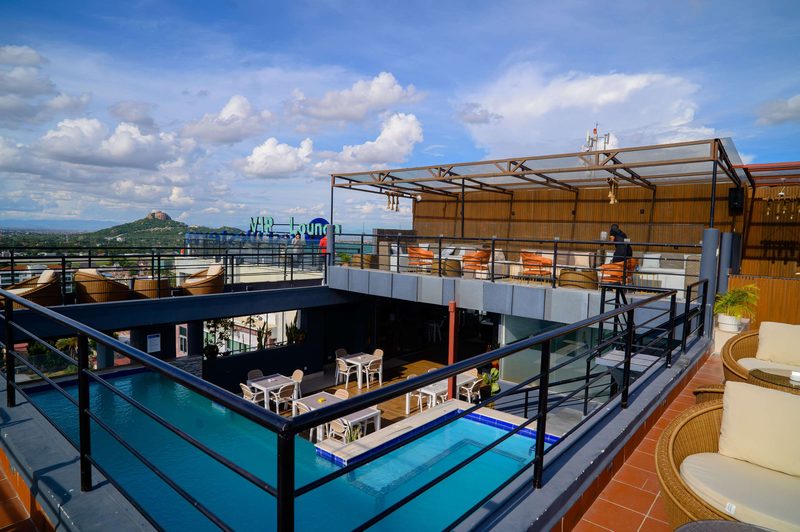
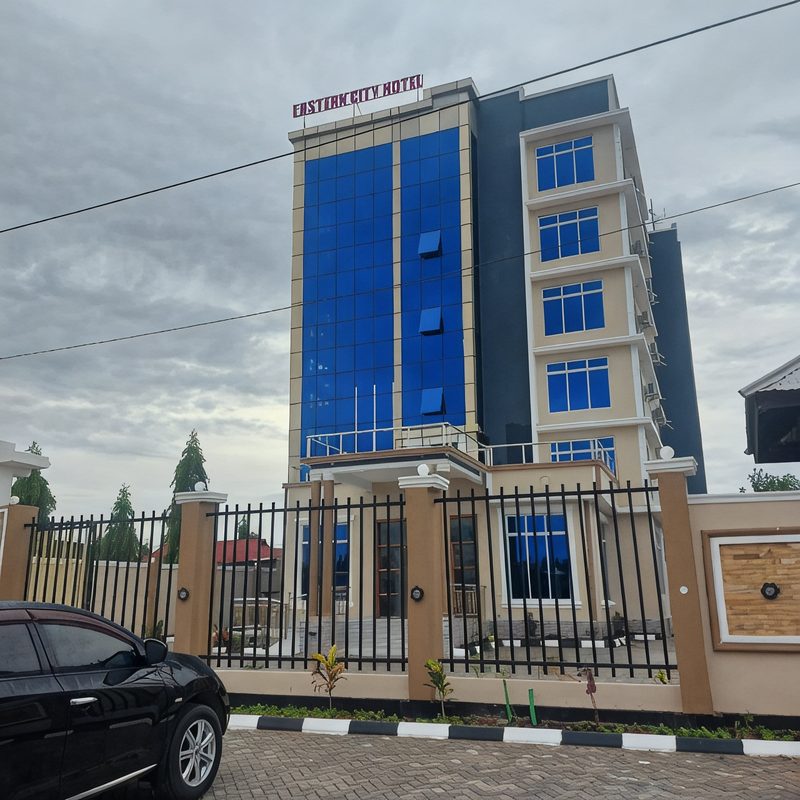
Where to Stay in Dodoma in April
Hand-picked hotels across price tiers for April travellers.
Public Holidays in April
Dates that affect opening hours, transport and crowds
Siku ya Karume
Known in English as Karume Day. Observed nationwide as a public holiday.
Sikukuu ya Muungano
Known in English as Union Day. Observed nationwide as a public holiday.
Siku ya Karume
Known in English as Karume Day. Observed nationwide as a public holiday.
Ijumaa Kuu
Known in English as Good Friday. Observed nationwide as a public holiday.
Jumatatu ya Pasaka
Known in English as Easter Monday. Observed nationwide as a public holiday.
Sikukuu ya Muungano
Known in English as Union Day. Observed nationwide as a public holiday.
Packing Checklist
Bookmark this page — your progress is saved between visits
Need the full list with shopping links?
Climate-specific gear, brand recommendations, and what to leave at home.
View Dodoma Packing List →Essential Tips
Insider knowledge and common pitfalls to avoid
Insider Knowledge
The central market near the old railway station is best visited between 6:30 and 8 AM. Go before the heat sets in and while the produce is still fresh and the fish still glistening on the slabs. By 10 AM the tarpaulins are up. The air underneath is stifling. The selection has thinned. The vegetable section, where women sell bundles of mchicha (amaranth greens) and enormous avocados, is at the back left corner as you enter from the main road. The prices there tend to be lower than the stalls closer to the entrance.
Dodoma's grape-growing history goes back to the early twentieth century. The local wines will not win any international awards. They are worth trying purely for the novelty of drinking Tanzanian wine in Tanzanian wine country. Ask at any decent restaurant for mvinyo ya Dodoma. You will likely be served a sweet red that tastes of ripe dark fruit and finishes with a warmth that pairs surprisingly well with grilled goat. This experience belongs to this city alone.
The dalladalla minibuses that connect Dodoma's neighborhoods are the cheapest way to move around the city. They operate on a logic that assumes local knowledge. Routes are not posted. You flag them down and shout your destination at the conductor. The four-ways junction, locally called 'Dodoma Four Ways,' is the main transit hub where most routes converge. Waiting there simplifies navigation enormously. Mid-afternoon rides tend to be less packed than the morning and evening commutes.
If you are heading to the Kondoa rock art sites, fill your fuel tank in Dodoma before you leave. There is technically a fuel station in Kondoa town. But it has been known to run dry. The last thing you want is to be stranded on the Kolo road with an empty tank and no phone signal. Carry at least 5 liters (1.3 gallons) of extra water as well. The drive is longer than the map suggests.
Avoid These Mistakes
Treating Dodoma as a day-stop between Dar es Salaam and Arusha and never leaving the main road. The city itself rewards a minimum of two nights. The surrounding region, from Kondoa to the Bahi wetlands, needs at least three or four days to explore properly. Passing through on a bus and calling it done is like driving through Tuscany on the autostrada and wondering what the fuss is about.
Assuming tourist infrastructure that does not exist. Dodoma has no international ATM network to speak of outside a few bank branches in the city center. Those machines run out of cash on weekends and public holidays. Carry enough Tanzanian shillings in cash before you arrive, or withdraw from the banks on a weekday morning. Credit cards are accepted almost nowhere outside the top-tier hotels.
Underestimating the midday heat and trying to pack sightseeing into a continuous block from morning through afternoon. The sun between 11 AM and 3 PM in April is relentless at this latitude and altitude. Heatstroke is a real risk if you are walking the exposed terrain around Lion Rock or the Kondoa shelters without shade. Do what the locals do. Start early. Retreat to shade or a cool room during the hot hours. Resume in the late afternoon when the light softens.
Ready to plan your trip to Dodoma?
Now that you've got the research covered, here's where to go next.
Explore More Activities in Dodoma
Didn't see anything interesting yet?
Browse Viator's full catalog of tours, day trips, food experiences, and private guides in Dodoma.
See All Dodoma Tours on Viator