Things to Do in Dodoma in October
October weather, activities, events & insider tips
Low Season · Budget Friendly
October Weather in Dodoma
Long-run averages for October
87°F (30°C)
High Temp
63°F (17°C)
Low Temp
0.2 inches (5 mm)
Rainfall
55%
Humidity
14
Sunny-Day UV
⚠ Watch for extreme UV exposure at plateau elevation with minimal cloud cover. Sunburn can occur within 30 minutes of unprotected midday exposure. Wear protective clothing and high-SPF sunscreen even on short walks.
⚠ Expect dust storms and wind-borne particulate matter to increase in late October as the plateau dries out completely before the short rains. Travelers with asthma or respiratory conditions should carry medication and a dust mask for afternoon outdoor activities.
Is October Right for You?
Weigh the advantages and considerations before booking
Advantages
- + October marks the final stretch of Dodoma's long dry season. Bone-dry trails. Clear skies. Virtually no rain. The central plateau strips back to its essentials: tawny grasses running to the horizon, baobabs standing like inverted roots against pale morning blue. Photographers trade soft light for extraordinary contrast. Dirt roads to outlying sites like Kondoa stay passable without a 4x4.
- + Dodoma sits at roughly 1,120 m (3,675 ft) above sea level. October nights drop to 17°C (63°F). No air conditioning required. Dar es Salaam stews at 26°C. The mornings carry a crispness the coast never achieves. Walk the city before 9 AM. Arrive dry. This matters.
- + Nyerere Day lands on October 14. A national public holiday honouring Tanzania's founding father Julius Nyerere. Dodoma, as seat of Parliament, treats it with weight. Ceremonies fill Nyerere Square. School processions thread through the centre. The civic energy reveals how Tanzanians relate to their history. Purposeful. Not performative.
- + Low season hits central Tanzania in October. Safari circuits toward Ruaha and Tarangire go quiet. Lodge availability opens wide. Prices fall from July-August peaks. Game viewing holds strong. Animals cluster at remaining water sources. The dry season ends. The wildlife concentrates.
Considerations
- − Dodoma works as an administrative capital. It looks like one. Concrete government buildings. Wide boulevards that bake empty in afternoon sun. Hotel bars and local spots playing bongo flava constitute the nightlife. Beachfront cocktails? Stone Town alleys? Look elsewhere. Dodoma offers austerity. Know this before you come.
- − The late dry season leaves the land parched. Months without meaningful rain. Red laterite dust invades everything: camera bags, lungs, clothing folds. Afternoon wind carries fine grit. Contact lenses suffer. Vegetation looks exhausted. Honest, yes. Photogenic in the lush tropical way visitors expect? No.
- − October heat climbs to 30°C (87°F). The semi-arid plateau offers no shade outside town. Between 11 AM and 3 PM the sun punishes. Skip the leisurely midday walk to Lion Rock. Skip the Kondoa road. Learn the rhythm. Move before ten. Retreat. Emerge after four.
Best Activities in October
Top things to do during your visit
Kondoa Rock Art Sites Expedition
The UNESCO-listed Kondoa Irangi rock paintings lie 160 km (99 miles) north. October roads make them reliably reachable. These rank among Africa's finest ancient rock art concentrations. Hunter-gatherer paintings, 1,500 to 3,000 years old. Iron-oxide reds. Chalky whites. Sandstone overhangs that smell of dust and lichen. Dry conditions grant access to remote shelters. No mud. No river crossings. Morning light between 7 and 9 AM picks out pigment details. Midday glare flattens them. The hills carry only your footsteps. Hornbill calls. A registered guide from the antiquities office is mandatory. Plan a full day. Stay overnight at a basic Kondoa guesthouse. Avoid the dark drive back.
Booking Tip: Book transport and registered antiquities guide through licensed safari operators. Do this one week ahead. The guide is mandatory. Assigned at site office. Current operator options for central Tanzania cultural excursions appear in the booking section below.
Lion Rock Sunrise Hike
Simba Rock. Lion Rock. Dodoma's geological signature rises from the eastern edge. A massive granite inselberg. October mornings suit the climb well. 6 AM air sits around 20°C (68°F). The rock face has not yet absorbed the day's heat. The 360-degree view catches the plateau turning gold. Stored warmth from yesterday radiates under your palms. Coarse-grained granite offers natural holds. No equipment needed. Decent shoes? Non-negotiable. By 9 AM the surface burns. Locals exercise here. You share the trail with residents, not tourists. The hike takes under an hour. The sense of scale earns it. Baobabs punctuate the flat dry distance.
Booking Tip: No booking required. Walk up. Hire a local guide at the base for context and route-finding. Arrange through any Dodoma-based tour operator. Ask at your accommodation. Leave early. Essential. Do not attempt after 10 AM in October.
Ruaha National Park Safari Circuit
Ruaha, Tanzania's largest national park, sits roughly 260 km (162 miles) southwest of Dodoma, and October is arguably its finest month. The Great Ruaha River is reduced to isolated pools by this point in the dry season, and the concentration of elephants, buffalo, and predators around those last water sources borders on theatrical. You might watch forty elephants arrive at a single bend in the riverbed within an hour. The landscape is open miombo woodland thinning to near-savanna visibility, so sightings carry across hundreds of metres. Ruaha draws a fraction of the Serengeti's visitors even in high season, and in October's shoulder period you can drive for an hour without seeing another vehicle. The smell is dry grass and warm earth, and the silence between animal calls is enormous. Most visitors fly in from Dodoma's airport on light charter aircraft. The flight takes under an hour and drops you into a park that feels like it belongs to you.
Booking Tip: Book safari packages at least two to three weeks ahead through licensed operators offering Ruaha circuits. Charter flights from Dodoma fill faster than lodge beds, so confirm air transport first. See current safari options in the booking section below.
Dodoma Wine Country Tour
Dodoma is, improbably, Tanzania's wine region. The semi-arid climate and sandy soils around Hombolo and Chamwino support grape cultivation that has been going on since the Italian missionaries planted vines here in the 1930s. October, at the end of the dry season, is when the vineyards look their most severe. Dusty rows of gnarled vines against red earth, nothing like Tuscany and all the more interesting for it. The wines themselves are honest rather than polished: strong reds with a dry, slightly tannic finish, and a rosé that tastes of the iron-rich soil it grew in. A half-day tour through the growing areas gives you a ground-level look at East African agriculture that most safari tourists never encounter. The contrast between the quiet vine rows and the baobab-studded bush beyond the farm fences is striking. You will likely be the only visitor, which means unhurried conversation with the growers.
Booking Tip: Wine area visits require local coordination through Dodoma-based cultural or agricultural tour operators. Book a few days ahead and confirm that your guide has arranged access to active vineyards. This is a niche experience with limited formal infrastructure.
Tarangire Elephant Migration Viewing
Tarangire National Park lies about 300 km (186 miles) north of Dodoma, reachable by a long but paved drive through the central corridor, and October puts you at the peak of its famous elephant migration. Thousands of elephants converge on the Tarangire River as surrounding water sources dry up, creating what is likely the densest elephant concentration in East Africa outside Amboseli. The massive baobab trees that define Tarangire's landscape are silhouetted against October's clear, haze-free skies, and the lack of green cover means animals are visible at extraordinary distances. The air smells of sun-baked clay and elephant dung, and the sound of a herd moving through dry brush. Branches cracking, low rumbles of communication. Carries across the still afternoon. Tarangire also supports exceptional birding in October, with resident raptors hunting the exposed ground and migratory species beginning to arrive from the north.
Booking Tip: Book through licensed safari operators offering multi-day northern circuit itineraries at least two weeks ahead. Tarangire combines naturally with a Dodoma departure, though most operators route through Arusha. Check the booking section below for current availability on northern Tanzania safaris.
Where to Stay in Dodoma in October
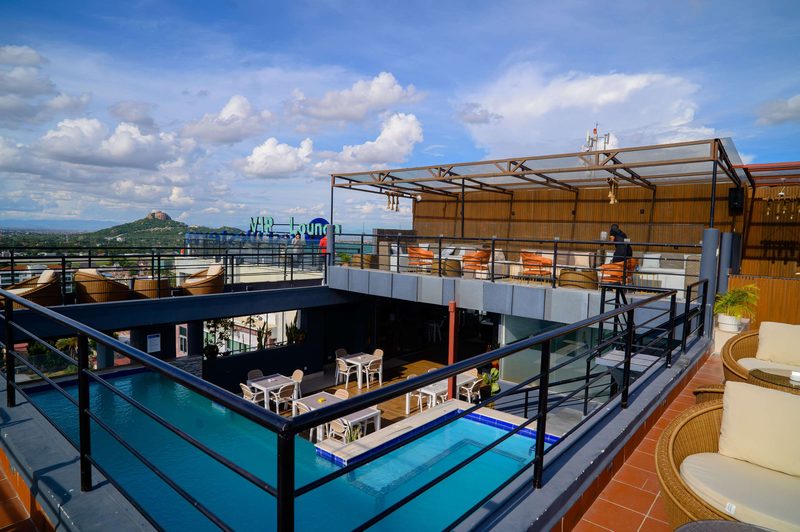
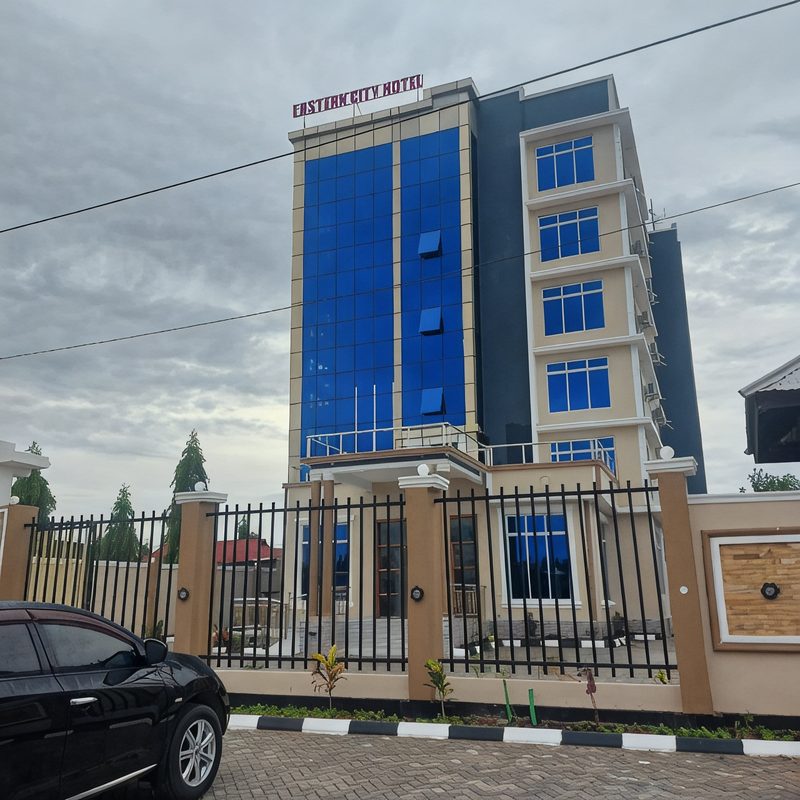
Hand-picked hotels across price tiers for October travellers.
Public Holidays in October
Dates that affect opening hours, transport and crowds
Siku ya Nyerere
Known in English as Nyerere Day. Observed nationwide as a public holiday.
Siku ya Nyerere
Known in English as Nyerere Day. Observed nationwide as a public holiday.
Siku ya Nyerere
Known in English as Nyerere Day. Observed nationwide as a public holiday.
Packing Checklist
Bookmark this page — your progress is saved between visits
Need the full list with shopping links?
Climate-specific gear, brand recommendations, and what to leave at home.
View Dodoma Packing List →Essential Tips
Insider knowledge and common pitfalls to avoid
Insider Knowledge
Dodoma's real food life happens in the morning. By 6:30 AM the chapati vendors near the central market are pressing and frying rounds of flaky, oil-brushed flatbread on blackened griddles, and the chai ladies next to them serve milky, ginger-spiked tea in small glasses so sweet they make your teeth ache. This is where the city's civil servants and university students fuel up before work, and the price of breakfast here compared to a hotel restaurant is almost comical. Point, sit on the bench, eat what arrives.
The central plateau dries your skin and sinuses faster than you expect. Most visitors from the coast or from overseas start waking up with cracked lips and nosebleeds by day three. Bring a good moisturiser and drink water beyond what your thirst tells you. The low humidity at 55% combined with the wind strips moisture from you steadily.
Dodoma's position in the dead centre of Tanzania makes it a better safari hub than most travellers realise. Ruaha to the southwest, Tarangire to the north, and the less-visited Swagaswaga Game Reserve to the east are all within a day's drive or a short charter flight. The trick is that almost no international tourists base themselves here. They fly into Arusha or Dar. You get routing flexibility and lodge availability that those hubs cannot match in October.
Friday afternoons in Dodoma have a particular rhythm. Government offices empty early, the mosques fill for Jumu'ah prayers, and the city takes on a quieter, more contemplative quality that is worth experiencing. The late-afternoon light on the plateau turns the red soil almost orange, and the call to prayer from the central mosque carries across a city that has largely gone still. If you want to photograph Dodoma looking like itself rather than a generic African capital, Friday between 4 and 6 PM is the hour.
Avoid These Mistakes
Avoid scheduling outdoor activities between 11 AM and 3 PM. The October heat on the central plateau is relentless and shade is scarce; Lion Rock, the Kondoa road, even walking through town becomes an endurance test rather than a pleasure. Locals disappear indoors during these hours for good reason. Plan your days as two shifts: early morning and late afternoon, with a long midday rest.
Do not treat Dodoma as Dar es Salaam. First-time visitors expecting coastal Tanzania's infrastructure, reliable ATMs on every block, international restaurant chains, Uber, will be frustrated. Dodoma is a government town that is still growing into its capital-city role. Carry cash in Tanzanian shillings, confirm restaurant opening hours in person rather than trusting online listings, and lower your expectations for evening entertainment. The city rewards patience, not convenience.
Never skip anti-malarial precautions because October is dry. The reduced rainfall does suppress mosquito populations compared to the wet months. But Dodoma is in a malaria-endemic zone and the insects congregate around any standing water. Hotel gardens, the edges of Hombolo Lake, evening outdoor dining. Prophylaxis, long sleeves at dusk, and DEET-based repellent are non-negotiable, not optional.
Ready to plan your trip to Dodoma?
Now that you've got the research covered, here's where to go next.
Explore More Activities in Dodoma
Didn't see anything interesting yet?
Browse Viator's full catalog of tours, day trips, food experiences, and private guides in Dodoma.
See All Dodoma Tours on Viator