Things to Do in Dodoma in January
January weather, activities, events & insider tips
Low Season · Budget Friendly
January Weather in Dodoma
Long-run averages for January
85°F (29°C)
High Temp
66°F (19°C)
Low Temp
5.5 inches (140 mm)
Rainfall
76%
Humidity
14
Sunny-Day UV
⚠ January afternoon storms in Dodoma arrive suddenly and drop heavy rain in 30-45 minute bursts, occasionally accompanied by lightning. Unpaved roads outside the city become impassable for standard vehicles during and immediately after these downpours. Plan outdoor excursions for the morning and have a backup plan for afternoons.
⚠ Mosquito-borne malaria transmission is active across central Tanzania at Dodoma's elevation during the wet season. Prophylactic medication, insect repellent, and sleeping under a treated net are non-negotiable precautions for January travel.
Is January Right for You?
Weigh the advantages and considerations before booking
Advantages
- + January rains transform the normally dust-brown central plateau into something almost unrecognizable. The scrubland around Dodoma flushes green. Baobabs leaf out fully. The Bahi wetlands west of the city fill enough to draw flamingos and African spoonbills. If you care about birding or photography, the rainy season landscape is dramatically more photogenic than the parched September version.
- + Dodoma is not on most safari itineraries. January's already-low tourist numbers drop further. You will likely be the only foreigner at the Kondoa rock art shelters. The only visitor climbing Lion Rock at dawn. One of very few outsiders browsing Kisasa market. This is Tanzania's capital without the performance of tourism. That is the whole point of coming here.
- + Accommodation rates in January sit well below the July-August peak that drives pricing in northern circuit safari towns. Dodoma was never expensive to begin with. The wet season pushes what little competition exists into genuine budget territory. Guesthouses and mid-range places that would feel like a stretch in Arusha are comfortable and affordable here.
- + The altitude moderates what would otherwise be punishing heat. At roughly 1,120 m (3,670 ft), Dodoma's January highs peak around 29 degrees C (85 degrees F) rather than the 33-35 degrees C (91-95 degrees F) you would face at sea level on the coast. Evenings cool to 19 degrees C (66 degrees F). Enough to sleep without air conditioning if your room catches a breeze.
Considerations
- − January dumps 140 mm (5.5 inches) of rain on Dodoma. Most of it falls in concentrated afternoon bursts rather than all-day drizzle. The unpaved roads leading to attractions like the Kondoa rock art sites and Swaga Swaga Game Reserve turn difficult. A standard sedan might not make it to the rock shelters after a heavy downpour. The murram tracks through the reserve become slick red clay. Budget extra time. Arrange a vehicle with clearance.
- − Dodoma is Tanzania's political capital, not its cultural or commercial one. January does not change that equation. The city lacks the restaurant scene of Dar es Salaam, the trekking infrastructure of Arusha, or the beach appeal of Zanzibar. Entertainment options are limited. Nightlife is quiet. You will spend evenings at your guesthouse or one of a handful of local bars rather than choosing between twenty options. Travelers who need stimulation after dark should plan accordingly.
- − Malaria transmission is active across central Tanzania at this elevation. The wet season raises mosquito populations considerably. You will need prophylaxis. A treated net if your accommodation does not provide one. DEET-based repellent for the hours around dusk when anopheles mosquitoes are most active. The humid evenings make long sleeves uncomfortable. That is exactly when you need them most.
Best Activities in January
Top things to do during your visit
Kondoa Rock Art Day Expedition
The UNESCO-listed Kondoa rock art sites sit roughly 160 km (100 miles) north of Dodoma. They spread across more than 150 natural shelters and overhangs in the Irangi Hills. The paintings span thousands of years, from geometric red-ochre patterns left by hunter-gatherer communities to more recent figurative work showing cattle and human forms. January's green season means the surrounding miombo woodland is fully leafed. This softens the otherwise harsh sandstone landscape. It keeps temperatures bearable during the walk between shelters. The Fenga complex, about 20 km (12 miles) north of Kolo village, holds some of the most elaborate panels. Access requires a registered guide from the Kolo visitor centre. After heavy rain the final stretch of unpaved road demands a vehicle with decent ground clearance. Start from Dodoma before dawn to arrive by mid-morning. Walk the shelters during the cooler hours. Return before the afternoon storms build. The rock overhangs themselves provide natural shelter if you get caught.
Booking Tip: Arrange a driver and vehicle with four-wheel-drive capability through your accommodation or a licensed tour operator in Dodoma at least a week ahead. Guides at the Kolo visitor centre are mandatory and available on arrival. Confirming availability in advance avoids a wasted trip during the quieter wet season. See current guided excursion options in the booking section below.
Bahi Wetlands Birding at Green-Season Peak
About 45 km (28 miles) west of Dodoma, the Bahi depression fills with seasonal rains to form Lake Sulunga and its surrounding wetlands. January is precisely when this happens. The saline shallows attract greater and lesser flamingos in concentrations you would normally associate with the Rift Valley lakes further north. Plus breeding colonies of African spoonbills documented by ornithologists in the marshy northern reaches. The landscape is flat, open, and smells of wet earth and sun-warmed grass. Birding is best in the early morning before the heat haze sets in. The flamingo flocks catch low-angle light against a steel-grey sky that has not yet decided whether to rain. There is no formal park infrastructure here. No entry gate. No gift shop. You drive out, park where the track ends, and walk the margins with binoculars. That rawness is the appeal. Bring water, sun protection, and rubber-soled shoes you do not mind getting muddy.
Booking Tip: No formal tour operators run regular trips to Bahi. You will need to arrange private transport. Ask your hotel or guesthouse in Dodoma for a reliable driver who knows the tracks. A half-day is sufficient. Licensed birding guides based in Arusha or Dar es Salaam sometimes arrange custom itineraries that include Bahi. Check the booking widget below for guided nature excursions departing from the Dodoma area.
Lion Rock Sunrise Hike
Lion Rock, known locally as Simba Hill, dominates Dodoma's skyline. The granite outcrop rises above the city's low buildings, visible from nearly everywhere. The hike is not technical. It is steep in places. The final section demands scrambling over sun-warmed rock that in January still holds the previous day's heat well into the morning. Start before 6 AM. The air is cool then. You can feel the plateau breeze on damp skin. The city below stays quiet except for roosters and the first motorcycle taxis. From the summit, Dodoma spreads in every direction. The green-domed Gaddafi Mosque sits to the south. The angular Parliament building lies to the east. Beyond the city edges, the flat, rain-greened savanna stretches to a horizon that seems impossibly far on the central plateau. Descend by 9 AM. The UV peaks then. The clouds start their slow afternoon buildup. The whole circuit takes two to three hours at a comfortable pace.
Booking Tip: No formal booking is needed. Wear closed-toe shoes with grip for the rocky sections. Carry at least a liter of water per person. Go with someone who knows the path if it is your first time. Your guesthouse staff can usually point you to a local who will guide you up for a modest fee. For structured walking tours of Dodoma's landmarks including Lion Rock, see options in the booking section below.
Dodoma Wine Region Vineyard Visits
Dodoma is Tanzania's only wine-producing region. It is one of the few places in East Africa where grapes grow commercially. Vines arrived in 1938 with Catholic missionaries at the Hombolo mission. The sandy, well-drained soils of the Makutupora area proved surprisingly hospitable to Chenin Blanc, Syrah, and Cabernet Sauvignon. January falls between the two annual harvests. These typically happen in March and August. You will see vines in full leaf rather than harvest activity. The vineyards are accessible. The cellars are working. The landscape is unexpected for East Africa. Rows of trained vines stand against red-earth clearings. The smell of fermenting grape must drifts from processing sheds. Taste the results on site. Dodoma wine is honest rather than refined. A chilled Chenin Blanc from Makutupora grapes on a warm January afternoon is the kind of regional experience that sticks with you. You did not expect it.
Booking Tip: Vineyard visits are informal. Arrange transport to the Makutupora area, about 30 km (19 miles) from central Dodoma. Ask at the gate. Most operations welcome visitors. This is true in the quieter wet season. Calling ahead through your hotel is courteous. It avoids arriving during a closed day. See current Dodoma-area experience options in the booking section below.
Swaga Swaga Game Reserve Wildlife Drive
Swaga Swaga covers 871 square km (336 square miles) of miombo woodland in northwest Dodoma Region. It sits roughly two hours by road from the city. The reserve holds a resident lion population of around 100. Giraffes, buffalo, elands, hartebeest, and zebra move through woodland that in January is thick and green enough to muffle sound. This is not the open-plain spectacle of the Serengeti. It is closer to Ruaha's character. Dense bush. Patient watching. The crack of a branch that might be an elephant or might be nothing. The reserve sees almost no tourist traffic in any season. It sees essentially none in January. You are driving through genuine wilderness rather than queuing behind other vehicles at a sighting. The trade-off is real. Facilities are minimal. Roads deteriorate in the wet. You need to be self-sufficient with fuel, water, and food. The Kondoa Irangi rock art shelters lie along the route north. A combined two-day trip makes sense.
Booking Tip: This requires a capable 4x4 vehicle. Ideally, you want a driver-guide experienced with the reserve's wet-season tracks. Arrange through a licensed safari operator in Dodoma or Arusha at least two weeks ahead. January availability is rarely an issue. Vehicle logistics in the wet season need planning. Check current safari departure options in the booking section below.
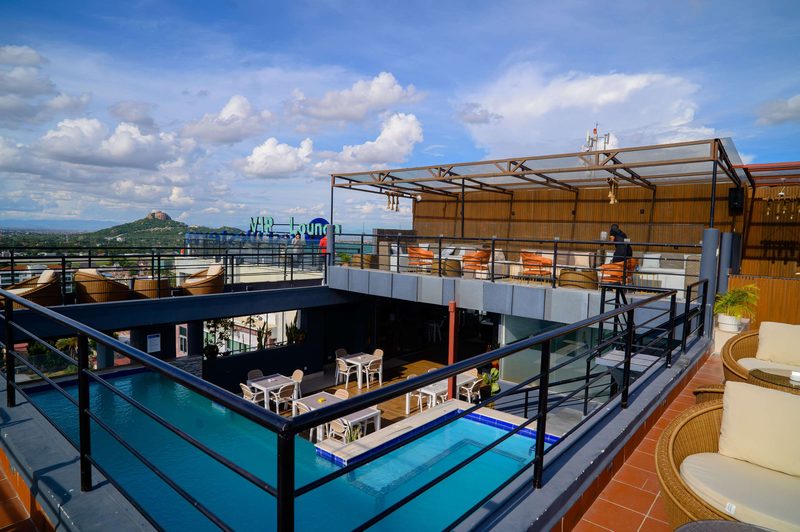
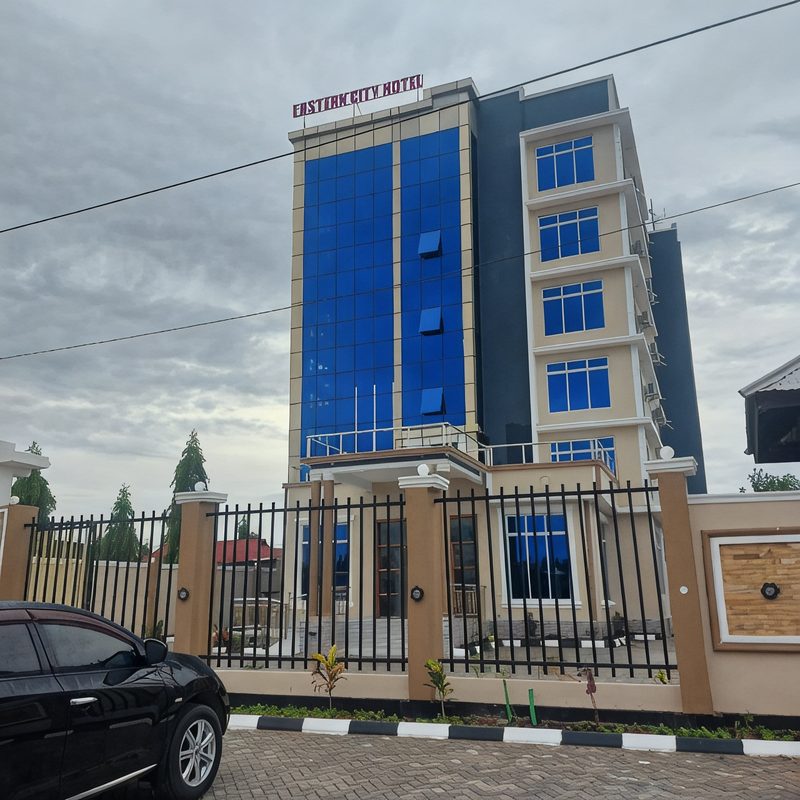
Where to Stay in Dodoma in January
Hand-picked hotels across price tiers for January travellers.
Public Holidays in January
Dates that affect opening hours, transport and crowds
Mwaka mpya
Known in English as New Year's Day. Observed nationwide as a public holiday.
Sikukuu ya Mapinduzi ya Zanzibar
Known in English as Zanzibar Revolution Day. Observed nationwide as a public holiday.
Mwaka mpya
Known in English as New Year's Day. Observed nationwide as a public holiday.
Sikukuu ya Mapinduzi ya Zanzibar
Known in English as Zanzibar Revolution Day. Observed nationwide as a public holiday.
Packing Checklist
Bookmark this page — your progress is saved between visits
Need the full list with shopping links?
Climate-specific gear, brand recommendations, and what to leave at home.
View Dodoma Packing List →Essential Tips
Insider knowledge and common pitfalls to avoid
Insider Knowledge
The Gaddafi Mosque, impossible to miss with its pastel-pink facade and green dome, is open to non-Muslim visitors outside prayer times. Remove your shoes at the entrance and dress conservatively. The interior is cooler than anywhere else in the city, and the acoustics under the dome turn even whispered conversation into something resonant. Late morning on a weekday is the quietest time to visit.
Dodoma's ugali, the stiff white maize porridge that is the staple across central Tanzania, is served at virtually every local eatery paired with mboga, a slow-cooked mix of leafy greens that varies by season. In January the greens are at their most varied because the rains push new growth. Ask for the version made with peanut sauce rather than plain oil. The combination of bland, dense ugali against rich, slightly gritty groundnut sauce is the taste that defines Gogo home cooking in this region.
Kisasa market is liveliest in the morning hours before 10 AM, when the produce sellers are still arranging piles of tomatoes, dried fish, and locally grown grapes alongside bolts of kanga cloth printed with Swahili proverbs. The market thins out by early afternoon when the heat and humidity drive everyone indoors. Buy fruit here rather than at your guesthouse. The locally grown grapes, while small and thick-skinned compared to what you find in supermarkets elsewhere, are sweet and available because Dodoma is Tanzania's grape-growing heartland.
If you are heading to the Kondoa rock art sites, fill your vehicle's fuel tank completely in Dodoma before leaving. There are fuel stops along the main highway north. But after the turnoff toward Kolo village the infrastructure disappears entirely. Carry at least 5 liters (1.3 gallons) of drinking water per person for the day. The Kolo visitor centre has no reliable refreshment facilities, and the walk between rock shelters in January humidity drains you faster than you expect.
Avoid These Mistakes
Treating Dodoma as a day-stop between Dar es Salaam and Arusha rather than a destination. The capital's own attractions, from the wine region to the rock art to the wetlands, need at least three full days to cover properly. Travelers who budget a single overnight miss everything outside the city centre and leave thinking there was nothing here, which is the self-fulfilling prophecy of under-planning.
Attempting the Kondoa rock art or Swaga Swaga Game Reserve in a low-clearance sedan during January rains. The main highway north is paved and fine. But the access roads to both sites are unpaved murram tracks that turn to slippery red clay after a downpour. Getting stuck 15 km (9 miles) from the nearest village with no phone signal is a real possibility. Arrange a 4x4 or skip the excursion rather than risk it.
Forgetting malaria prophylaxis because Dodoma feels urban. The city sits at 1,120 m (3,670 ft) on the central plateau, well within the active transmission zone below 1,800 m (5,900 ft). January rains mean standing water and breeding mosquitoes even in built-up areas. This is not a theoretical risk. Start your anti-malarials before arrival, sleep under a treated net, and use repellent at dusk without exception.
Ready to plan your trip to Dodoma?
Now that you've got the research covered, here's where to go next.
Explore More Activities in Dodoma
Didn't see anything interesting yet?
Browse Viator's full catalog of tours, day trips, food experiences, and private guides in Dodoma.
See All Dodoma Tours on Viator