Things to Do in Dodoma in May
May weather, activities, events & insider tips
Low Season · Budget Friendly
May Weather in Dodoma
Long-run averages for May
82°F (28°C)
High Temp
62°F (17°C)
Low Temp
0.2 inches (5 mm)
Rainfall
66%
Humidity
11
Sunny-Day UV
⚠ The UV intensity on the central plateau is severe. Exposed skin can burn within 30 minutes of midday sun despite comfortable air temperatures. This catches visitors off guard. The heat does not feel extreme. Cover up. Apply sunscreen liberally.
⚠ Residual standing water from the tail of the rainy season supports mosquito breeding near wetland areas like the Bahi Swamp. Malaria prophylaxis is strongly recommended for central Tanzania. Repellent at dusk is essential.
Is May Right for You?
Weigh the advantages and considerations before booking
Advantages
- + May lands at the pivot between wet and dry in Dodoma. The plains and kopje-studded hills stay green from the long rains. Yet skies have mostly cleared. You get the wet season's visual payoff without the mud. Early morning light here is extraordinary. Soft gold filters through acacia canopy while air still carries damp earth before midday heat arrives.
- + With only about 0.2 inches (5 mm) of rainfall across the entire month, May is functionally dry in Dodoma. Plan outdoor excursions to places like the Kondoa Rock Art Sites or the granite formations around Lion Rock without fear of washouts on unpaved roads. The dust that chokes central Tanzania from June onward has not yet started. Visibility across the Bahi depression is at its clearest.
- + Dodoma in May is about as uncrowded as a national capital gets. The political session calendar tends to quiet down. Guesthouses in the city center have availability on short notice. You are unlikely to encounter another foreign traveler at most sites outside the Kondoa UNESCO zone. Prefer empty landscapes to packed ones? This is your window.
- + Temperatures are comfortable by central Tanzanian standards. Warm days hover around 28°C (82°F). Nights dip to a cool 17°C (62°F). Humidity at 66% feels far more manageable than the coast. Evenings on the plateau carry a crispness that surprises first-time visitors. Not all of Tanzania is equatorial steam.
Considerations
- − Dodoma is Tanzania's legislative capital. Yet it functions more like a large regional town than a capital city most travelers would recognize. Infrastructure outside the central government district is limited. Restaurants close early. Nightlife is essentially nonexistent beyond a handful of hotel bars. Need the energy of Dar es Salaam or Arusha? Dodoma will feel very quiet.
- − Tourist infrastructure is thin. No established walking-tour circuits exist. No hop-on buses run. Very few operators organize day trips. You will likely need private transport for anything beyond the city center. Hire a car with a driver, or negotiate with a local taxi. This is not difficult. It requires initiative and some Swahili, or a fixer.
- − May marks the tail end of the masika rains. While Dodoma itself stays mostly dry, unpaved roads to remote attractions like Kondoa or the Bahi Swamp can remain soft and rutted from preceding months. A standard sedan might struggle on certain stretches. Four-wheel drive is not always necessary. It removes the guesswork.
Best Activities in May
Top things to do during your visit
Kondoa Rock Art Sites Day Expedition
The Kondoa Irangi Rock Art Sites, a UNESCO World Heritage cluster roughly 160 km (99 miles) north of Dodoma, hold some of the oldest and most concentrated hunter-gatherer paintings in East Africa. Elongated human forms, giraffes, and hunting scenes rendered in red ochre on granite overhangs date back two thousand years or more. May is ideal. Rains have washed the rock faces clean, deepening pigment contrast against grey stone. The surrounding bush is green enough that the drive north through the Rift Valley escarpment feels like moving through a painting itself. The air smells of wet laterite and wild sage. A local guide from the antiquities office at Kolo village is required for access. They know which shelters catch the best morning light. Budget a full day. The drive alone takes three hours each way on roads that are passable but demand attention.
Booking Tip: Arrange transport with a licensed driver the day before through your accommodation. Guides at the Kolo antiquities office operate on a first-come basis. May traffic is light enough that waits are rare. See current guided tour options in the booking section below.
Lion Rock and Dodoma Geological Formations Walk
Simba Rock, Lion Rock, is the granite inselberg that anchors Dodoma's skyline. It rises from plateau scrub on the city's eastern edge. In May, the rock face holds faint dampness from the last rains. This darkens the stone to charcoal grey and makes lichen patches glow an almost fluorescent green. The climb is not technical. Granite gets slick in patches, so early morning is best. By 6:30 AM the surface is cool under your palms. The view from the top catches the whole spread of the city against the Chenene Hills. The surrounding kopjes, mawe in Swahili, scattered across the Dodoma basin are worth an extended walk if you have a vehicle between them. Bring water. No shade exists once you leave the base.
Booking Tip: No formal booking needed. Hiring a local guide familiar with safer ascent routes is worth the modest cost. Ask at your accommodation or check current guided options in the booking section below.
Bahi Swamp and Wetland Birding
About 50 km (31 miles) west of Dodoma, the Bahi Swamp depression spreads across the valley floor in a shallow pan. By May, it still holds enough residual water from the long rains to attract serious concentrations of wading birds. Flamingos feed in alkaline shallows. Crowned cranes step through sedge. Raptors circle thermals above. Light is best in the first two hours after sunrise. Mist lifts off the water surface then. Birds are most active. By mid-morning, heat haze flattens everything. The swamp is not a managed reserve. No boardwalks exist. No visitor centers operate. You are alone out there. This is either the appeal or the challenge. The smell of sun-warmed mud and salt grass is particular to this landscape. A knowledgeable birding guide makes the difference between a rewarding morning and a confused drive along featureless tracks.
Booking Tip: You can secure local birding guides through tour contacts based in Dodoma. Schedule your reservation at least a week ahead. This remains a specialized excursion. Review current nature tour options in the booking section below for guided alternatives.
Central Tanzania Safari Circuit Gateway
Dodoma sits close to Ruaha National Park, Tanzania's largest park at over 20,000 sq km (7,722 sq miles), and the less-visited Mikumi. May is a transitional month for safari. The southern parks are drying out. Game begins to concentrate near permanent water sources. Grass stays short enough for decent visibility. Ruaha in particular rewards May visitors with leopard sightings along the Great Ruaha River as water levels drop and prey animals crowd the remaining pools. The drive from Dodoma to Ruaha's Msembe gate takes roughly five to six hours. Roads range from adequate to adventurous. Multi-day camping safaris departing from the central highlands typically cost less than equivalent trips launching from Arusha. Fewer vehicles patrol the park. Plan ahead.
Booking Tip: Reserve multi-day safari packages at least two to three weeks in advance through licensed operators. May brings shoulder season to the southern circuit. Availability remains strong across the region. Vehicle allocation stays limited. Check current safari options in the booking section below.
Dodoma Wine Country Tasting
Central Tanzania remains an improbably productive wine region. The semi-arid plateau around Dodoma, altitude roughly 1,100 m (3,609 ft), features sandy soils and reliable sunshine. This terrain has supported vineyards since the Italian missionary era. A handful of producers still cultivate chenin blanc and hybrid red varietals on the outskirts of the city. May falls after harvest. Vines lie dormant. Cellar work focuses on fermentation and blending stages. Red wines show tannic profiles with iron and dry earth notes. Whites carry a sharp citrus edge. Tasting these bottles on the plateau where the grapes grew feels distinct. Laterite dust and wood smoke drift from a nearby village. This setting contextualizes an unlikely corner of Tanzanian agriculture. Vineyards scatter across the landscape without clear signage. You need a driver who knows the roads. Book early.
Booking Tip: You will not find a polished wine-trail experience here. Arrange visits informally through your accommodation or a local guide with vineyard contacts. Experiences remain casual and hospitable. Check the booking section below for any organized cultural tours including vineyard stops.
Dodoma Central Market and Street Food Circuit
The Majengo and Hazina market areas in central Dodoma shine during mornings. 17°C (62°F) overnight air lingers. Vendors lay out produce on tarps and wooden tables. May brings the tail of the mango season. The last Boribo mangoes remain small and intensely sweet. Skins turn mottled green-to-gold. Fruit sellers fill the air with perfume. Grilled mishkaki, beef skewers marinated in a ginger-and-lime paste, sizzle over charcoal braziers by mid-morning. Smoke mixes with red dust kicked up by passing pikipiki motorcycles. Ugali and maharage, stiff maize porridge with slow-cooked beans in coconut, dominates food stalls near the bus stand. You can secure local lunch on metal plates for almost free. Textures demand attention. Ugali holds its shape when you pinch off a piece. Beans stay creamy and lightly spiced with pilipili hoho peppers. Go hungry and go early. Plan accordingly.
Booking Tip: Visitors skip formal reservations. Mornings between 7 AM and 10 AM provide the widest selection. Cool temperatures linger throughout. Grab a guided food walk with cultural context from the booking section below.
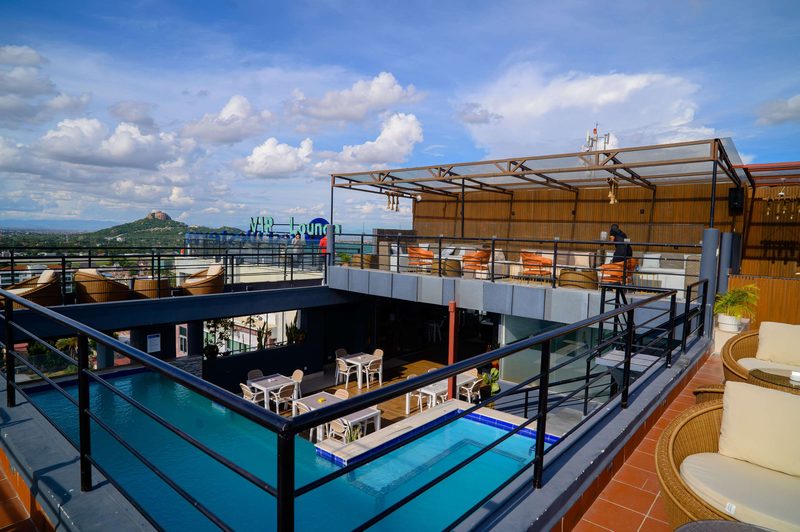
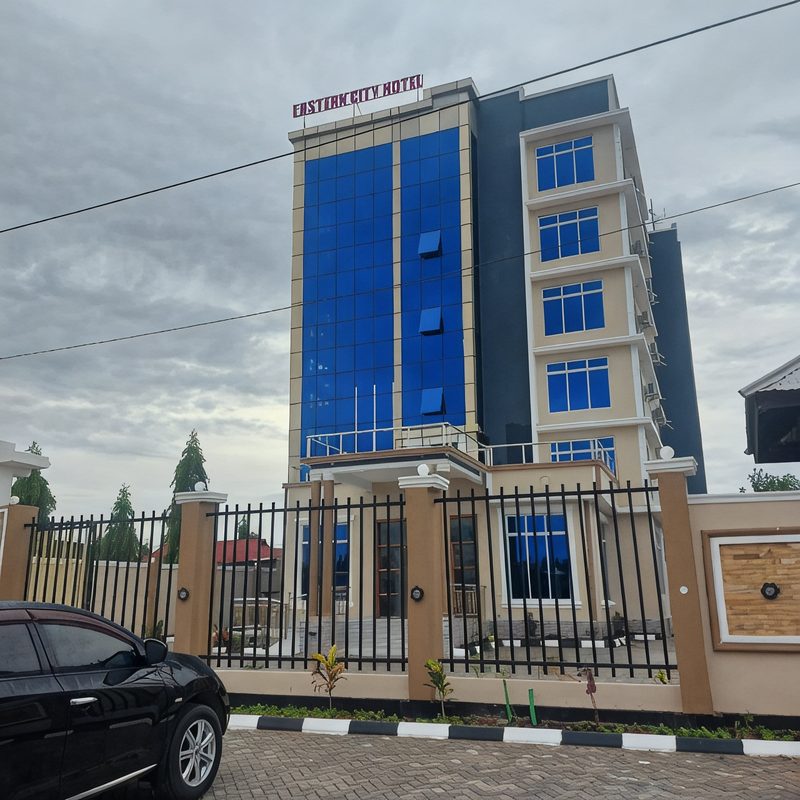
Where to Stay in Dodoma in May
Hand-picked hotels across price tiers for May travellers.
Public Holidays in May
Dates that affect opening hours, transport and crowds
Sikukuu ya Wafanyakazi
Known in English as International Workers' Day. Observed nationwide as a public holiday.
Sikukuu ya Wafanyakazi
Known in English as International Workers' Day. Observed nationwide as a public holiday.
Packing Checklist
Bookmark this page — your progress is saved between visits
Need the full list with shopping links?
Climate-specific gear, brand recommendations, and what to leave at home.
View Dodoma Packing List →Essential Tips
Insider knowledge and common pitfalls to avoid
Insider Knowledge
Dodoma shows its real face at dawn and dusk, when the heat backs off and people spill outdoors. The stretch between the Anglican Cathedral and the old railway station wakes up around 5 PM. Vendors set up. Families stroll. The central plateau throws a particular gold across everything as the sun drops toward the Chenene Hills. Locals eat roasted groundnuts. They drink kahawa, strong black coffee boiled with cardamom, from thermos vendors. Join them.
Kolo village is your way into Kondoa's rock art. The antiquities office there is the only legitimate source of guides. Do not accept offers from freelancers along the road. The shelters sit spread across a wide area on unmarked tracks. Unauthorized guides sometimes lead visitors to wrong sites. They sometimes damage paintings by touching them. The official guides grew up in these hills. They read the panels like a story.
The Tanzanian Parliament building complex (Bunge) sits on the eastern side of the city. It is architecturally striking. Walk past it. Photography of government buildings can attract unwanted attention from security. A polite inquiry at the gatehouse sometimes yields a brief guided walk of the grounds when parliament is not in session, which in May is likely. The grounds smell of frangipani and fresh-cut grass. This is one of the few manicured green spaces in the city.
Water in Dodoma is a persistent concern. The city's supply is unreliable. Most residents and businesses rely on bore holes and tanker deliveries. Do not drink tap water under any circumstances. Confirm that your accommodation has its own water storage. This is not alarmism. It is daily life in central Tanzania. Locals navigate it without fuss.
Avoid These Mistakes
Do not treat Dodoma as a day-stop between Dar es Salaam and the northern safari circuit. The drive from Dar is roughly 450 km (280 miles). It takes six to eight hours on roads that vary from smooth tarmac to potholed nightmares. Arriving exhausted and leaving the next morning means you see nothing. Give it at least two nights. Let the pace of the place register.
Do not expect Arusha-level tourist infrastructure. Dodoma has no safari lodges. It has no established tour-operator strip. It has no curated cultural experiences waiting for walk-ins. This is a working Tanzanian city that happens to be the capital. Engaging with it requires some self-direction. The travelers who enjoy Dodoma came prepared to arrange things themselves. They find satisfaction in the unpolished.
Do not underestimate the midday heat. Do not skip water. At 28°C (82°F) with direct sun on the open plateau, dehydration creeps up fast, if you are active. Locals retreat indoors between noon and 3 PM for good reason. Follow their lead. Use the middle of the day for rest, food, and planning. Save the walking for early morning and late afternoon.
Ready to plan your trip to Dodoma?
Now that you've got the research covered, here's where to go next.
Explore More Activities in Dodoma
Didn't see anything interesting yet?
Browse Viator's full catalog of tours, day trips, food experiences, and private guides in Dodoma.
See All Dodoma Tours on Viator